

 Español
 English
 Portuguese

Qué hacer
The Cheese Fair
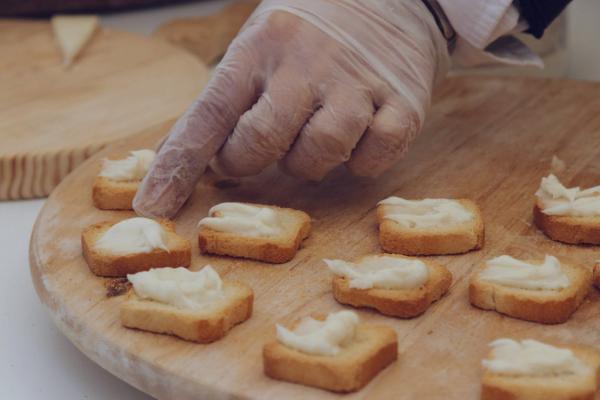
Hinojosa de Duero has been since years ago the home of the International Cheese Fair. This village has a rooted tradition in the elaboration of cheese Arribes, a product with Certification Mark.
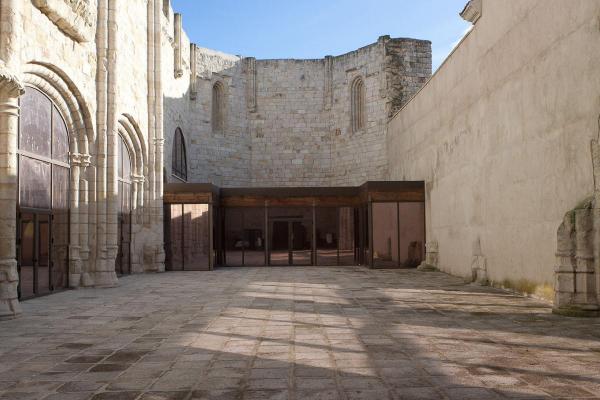
Other Interpretation Centres of Archaeological Interest
Salamanca has some of the most important Paleolithic sites in the Iberian Peninsula, from the Paleolithic period to the Roman times. These are treasures shown in the museums and interpretation centres of the province


Siega Verde
The archaeological site of Siega Verde is located in the west of Salamanca, in the region of Ciudad Rodrigo. This is the most important open air Paleolithic Art site in Castile and Leon and the most significant one in Spain. That is why it was declared a UNESCO World Heritage.
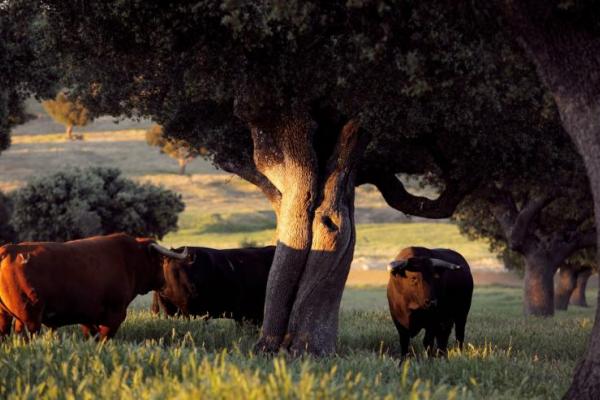
El Campo Charro and fighting bull
This is a sustainable model of exploitation and natural resources development. In this way, the development of the holm oak tree meadows and the fighting bull go together.
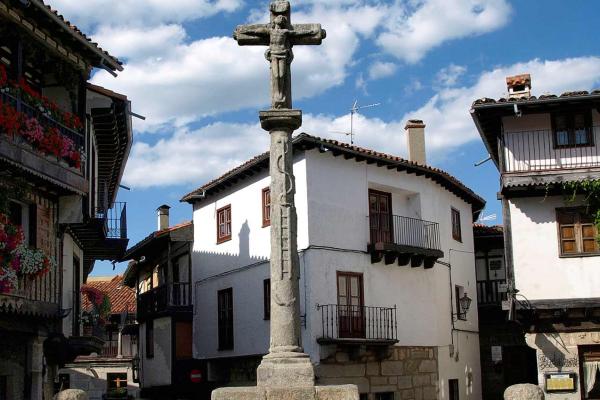
Route of the Historical Sites
There are fifteen villages that have been declared “Historical Sites” in the province of Salamanca, the capital city itself is one of them and it is was also declared “World Heritage”:
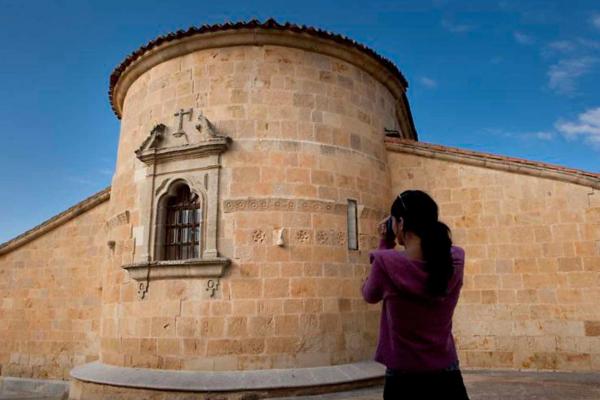
Tormes's Romanesque
The river Tormes, past the city of Salamanca, heads towards some towns that host Romanesque churches of great beauty.

Mudejar Route
If you visit the areas of Alba and Peñaranda, you will discover beautiful Mudejar churches. The Mudejar techniques were developed in these areas between the 12th and 13th centuries; this style was adapted to the Romanesque style, using the bricks as its identifying element.