
 Español
 English
 Portuguese

Qué hacer

Interpretation Centre of the Frontier Fortifications Route
Ciudad Rodrigo is a frontier strategic location from the Middle Ages, but it turned into an important bastion in the 18th century, when more modern defensive buildings were built against the powerful artillery of that time.
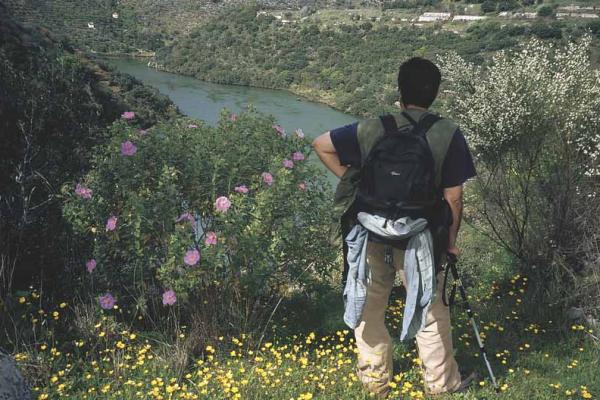
Senda del Duero
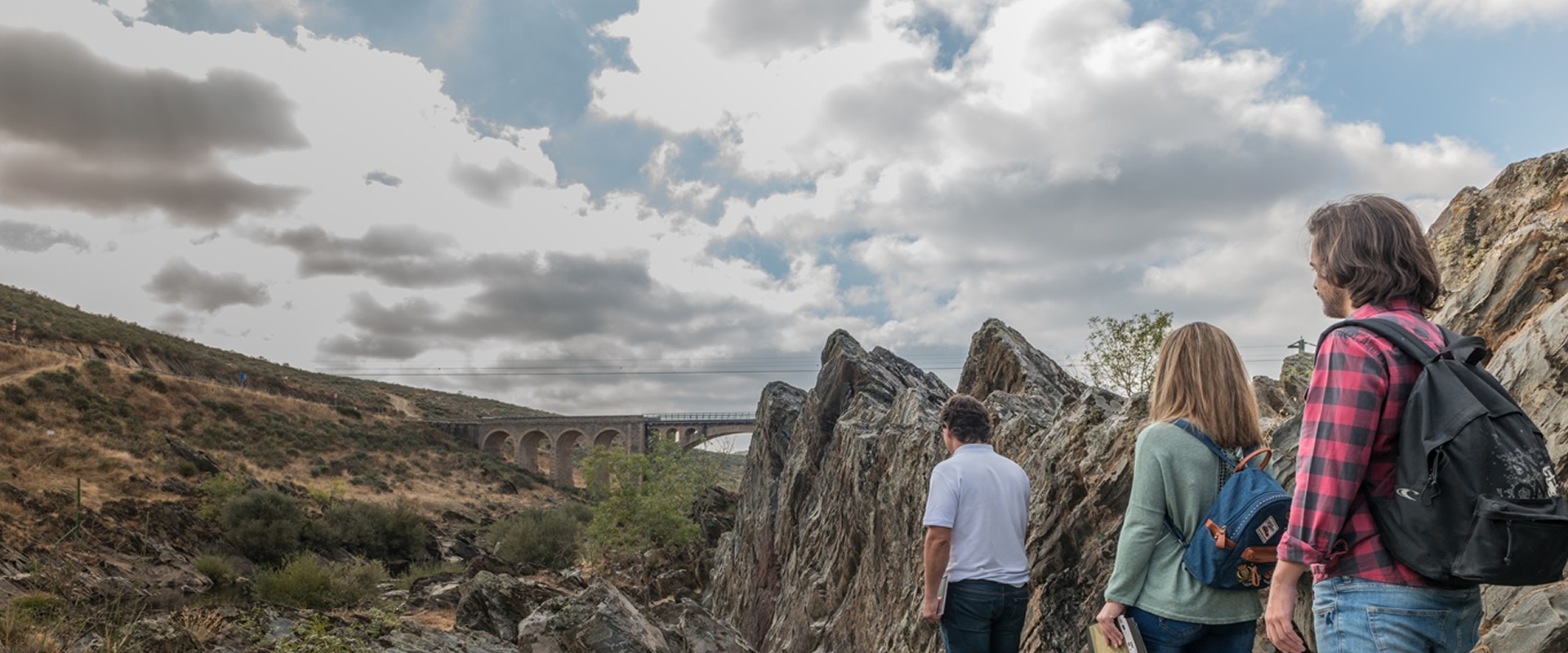
This natural path, also known as GR-14, crosses the region of Castile and Leon. It starts in the Sierra de Urbión in the province of Soria and finishes in the dock of Vega Terrón in the province of Salamanca.
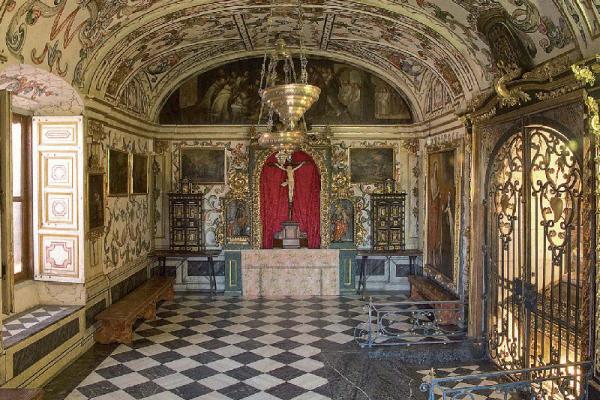
Carmus Carmelite Museum
In the convent founded by Teresa de Jesus itself, there is a 900 square metres exhibition museum, which also includes some of the original rooms of the convent that have been restored
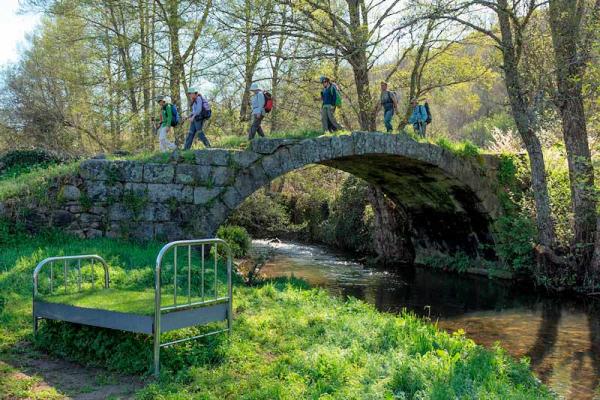
Nature Art Paths, in the Sierra de Francia
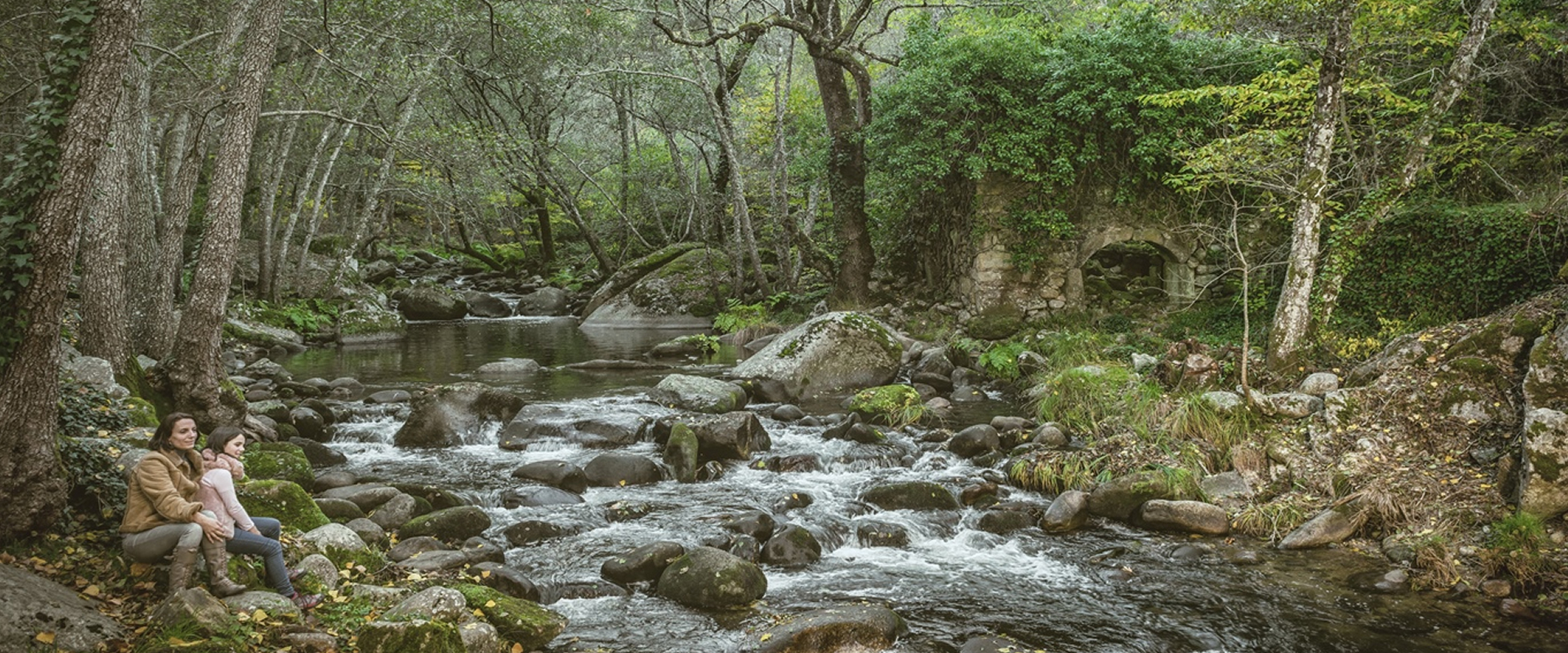
Four interesting routes located in the amazing region of the Sierra de Francia are included in the Nature Art Paths (Caminos de Arte en la Naturaleza).
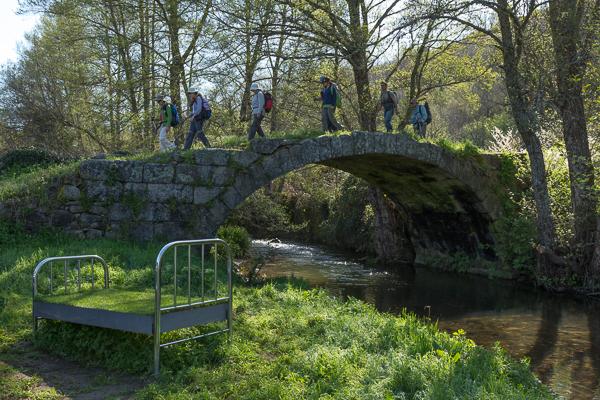
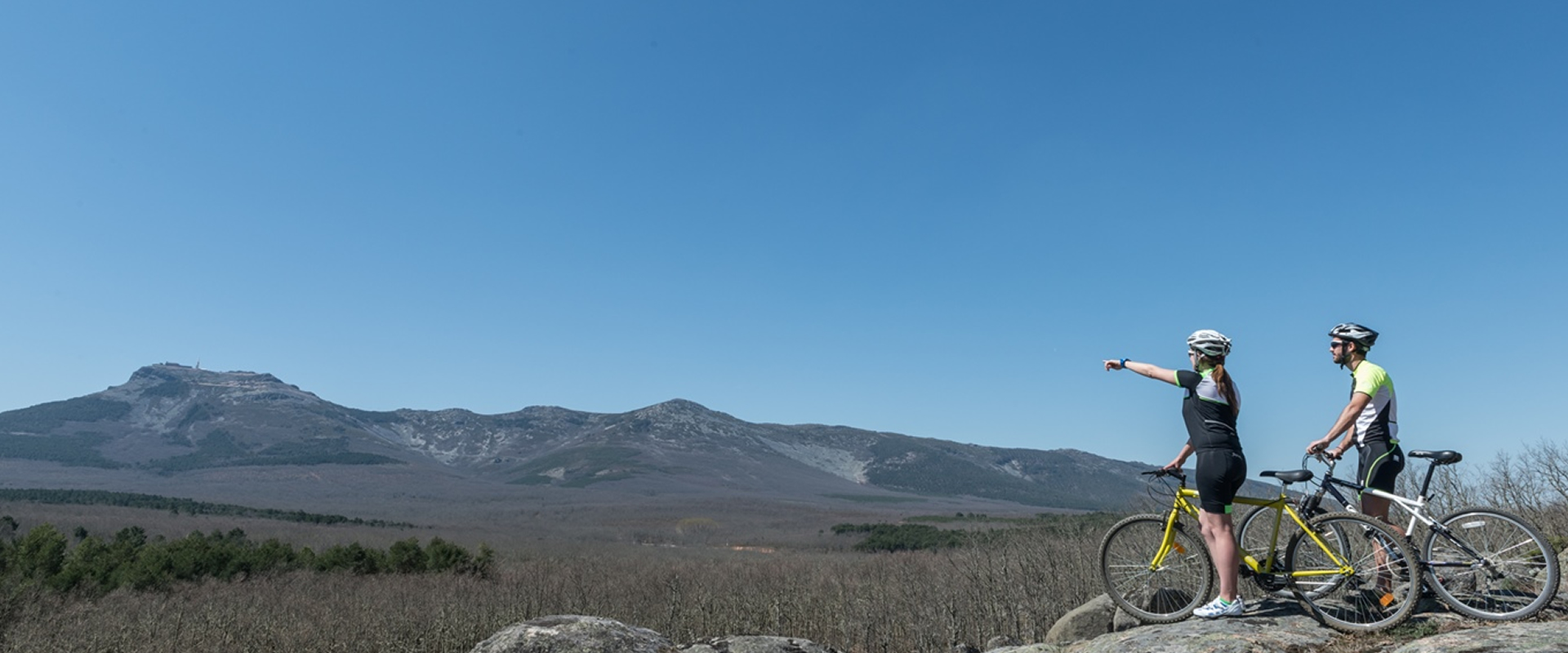
Hiking when the power of nature explodes again
Spring, for example, is an ideal time to practise hiking in the province.

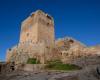
Puente del Congosto Castle
There are few landscapes in Salamanca as breathtaking as the village of Puente Congosto with the uncontrollable river Tormes, the medieval bridge and the castle. In fact, the main function of the castle is defending the bridge, which is also the Cañada Real Soriana Occidental.
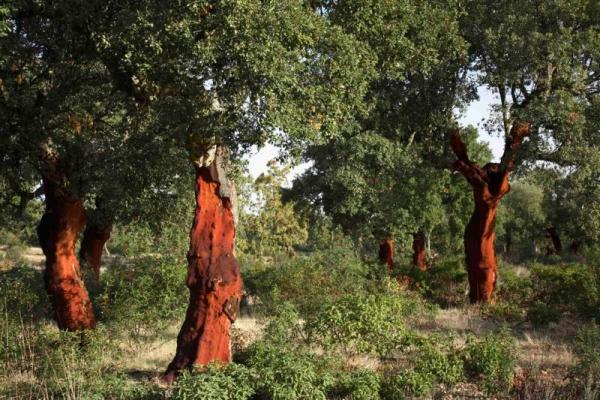
Valdelosa Cork oak Trees
This old cork oak can be found in the north of the capital city, around Valdelosa village. The cereal fields are mixed with a forest full of Pyrenean oaks, holm oaks and Gall oaks. And among all of them we can see the naked red cork oak trunks.